

Is the Air in Your Home Making You Uncomfortable?
Have you ever noticed your skin feeling itchy in winter or sticky in summer—even when your thermostat says the temperature is just right? If so, you're not imagining things. Comfort isn’t just about heating and cooling—humidity control plays a huge role too.
Whether you're battling dry air or excess moisture, finding the right humidity control solutions can transform the feel of your entire home. In this post, we’ll break down humidifiers vs. dehumidifiers, helping you understand what they do, when to use them, and how they can drastically improve your indoor air quality.
Looking for expert help balancing your home’s humidity?
What Is Humidity, and Why Does It Matter?
Humidity refers to the amount of moisture in the air. Indoors, ideal relative humidity levels range between 30% and 50%. When levels drop too low or rise too high, a host of problems can occur—including health issues, property damage, and increased energy bills.
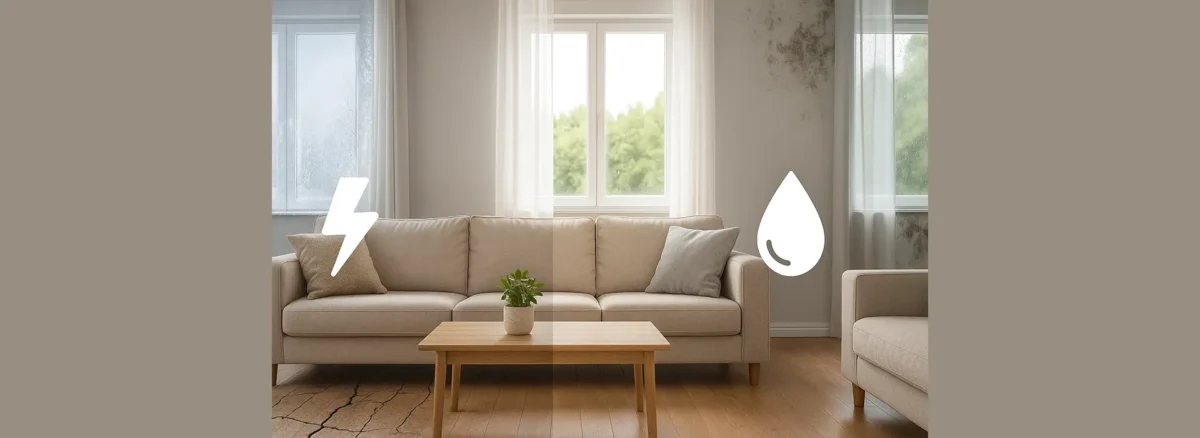
Low Humidity Can Cause:
- Dry, itchy skin
- Respiratory irritation
- Static electricity
- Cracked wood floors or furniture
High Humidity Can Cause:
- Mold and mildew growth
- Musty odors
- Dust mite infestations
- Condensation on windows
- Increased allergy and asthma symptoms
That’s where humidifiers and dehumidifiers come in. Let’s explore how each helps restore balance.
Humidifiers: Adding Moisture to Dry Indoor Air
Humidifiers increase indoor humidity by dispersing water vapor into the air. They're especially helpful in cold climates where heaters dry out the air in winter.
When Should You Use a Humidifier?
- During cold, dry winters
- If you suffer from dry skin, lips, or throat
- When static electricity becomes a problem
- If wood furniture or flooring is cracking
Types of Humidifiers
- Central Humidifiers (installed in HVAC systems)
- Evaporative Humidifiers (use a fan and wick filter)
- Ultrasonic Humidifiers (use high-frequency vibrations)
- Steam Vaporizers (boil water to release steam)
Benefits of Using a Humidifier
- Prevents dry skin and respiratory issues
- Protects wood furniture and musical instruments
- Helps reduce illness by keeping mucous membranes moist
- Makes your home feel warmer, potentially lowering your heating bill
Dehumidifiers: Removing Excess Moisture from the Air
On the flip side, dehumidifiers lower humidity by extracting moisture from indoor air, collecting it in a tank or draining it away.
When Should You Use a Dehumidifier?
- In hot, humid climates or seasons
- If your basement feels damp or musty
- When you see condensation on windows
- If mold, mildew, or pests become an issue
- After water damage or leaks
Types of Dehumidifiers
- Whole-House Dehumidifiers (integrated with HVAC system)
- Portable Dehumidifiers (for single rooms or basements)
- Desiccant Dehumidifiers (use absorbent materials for cooler climates)
Benefits of Using a Dehumidifier
- Reduces risk of mold and mildew
- Improves indoor air quality and health
- Makes your home feel cooler in summer
- Protects furniture, electronics, and building structure
Humidifier vs. Dehumidifier: Which One Do You Need?
|
Symptoms/Signs |
Use a Humidifier |
Use a Dehumidifier |
|
Dry, itchy skin |
✅ |
❌ |
|
Static electricity |
✅ |
❌ |
|
Cracked wood or furniture |
✅ |
❌ |
|
Mold, mildew, or musty odors |
❌ |
✅ |
|
Condensation on windows |
❌ |
✅ |
|
Allergy or asthma flare-ups |
✅/❌ (depends on humidity cause) |
✅ |
|
You live in a dry climate |
✅ |
❌ |
|
You live in a humid climate |
❌ |
✅ |
Still unsure which you need? A humidity monitor (hygrometer) can help you measure indoor humidity levels and guide your decision.
Smart HVAC Systems: The Future of Humidity Control
Modern HVAC systems often include built-in humidity control features. Some even allow you to set a target humidity level—just like your thermostat sets the temperature.
At Trident Heating & Cooling, we offer integrated HVAC humidity control solutions that adjust indoor moisture levels automatically for year-round comfort. Whether you need a system-wide upgrade or a standalone humidifier or dehumidifier, we’ll help you make the right choice for your home.
Pro Tips for Managing Humidity at Home
Here are some bonus tips to improve home humidity naturally or support your equipment:
For Dry Air:
- Use houseplants to naturally add moisture
- Boil water or take steamy showers with the door open
- Seal air leaks and insulate windows
For Moist Air:
- Use exhaust fans in kitchens and bathrooms
- Repair leaks promptly
- Improve airflow with fans and open windows (when safe)
- Avoid overwatering houseplants
Final Thoughts: Comfort Starts with the Right Humidity
If your home constantly feels uncomfortable, your HVAC system might not be the only thing to blame. Humidity imbalances are a silent culprit behind many comfort and health issues. Whether you need to add or remove moisture, the right humidity control solution can make a major difference in how your home feels and performs.
Ready to balance your indoor humidity once and for all? Contact Trident Heating & Cooling today!