

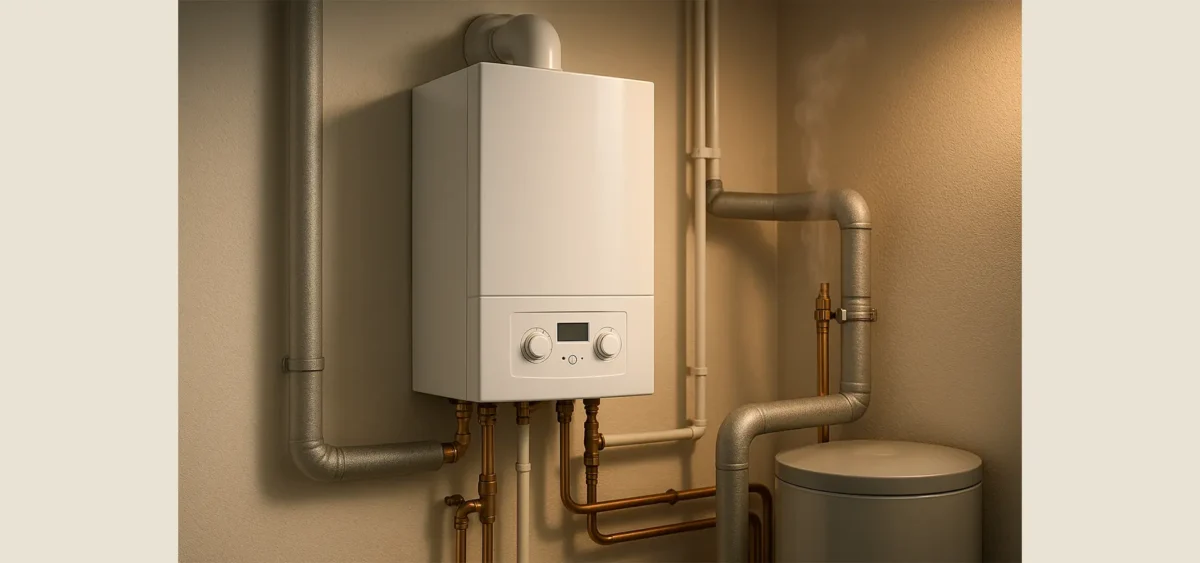
When the cold season hits, your boiler becomes one of the most important systems in your home. But if it’s not running efficiently, you could be paying much more than necessary on your heating bills. Many homeowners assume rising energy costs are the only reason their bills climb each winter.
In reality, an inefficient boiler can quietly drain your wallet by working harder than it should to produce the same amount of heat. The good news? With a few strategic steps, you can improve efficiency, extend the life of your boiler, and save money all season long. If you’re unsure where to start, a professional inspection or boiler maintenance service can help identify problem areas before they become costly repairs.
Why Boiler Efficiency Matters
An efficient boiler uses less energy to produce heat, which directly lowers your utility bills. It also reduces wear and tear, meaning fewer breakdowns and a longer lifespan. Plus, energy efficiency has environmental benefits, helping lower your home’s carbon footprint. Keeping your system in top shape is one of the easiest ways to save money while staying comfortable.
1. Schedule Annual Professional Maintenance
Annual servicing is one of the most effective boiler efficiency tips you can follow. During a tune-up, a qualified technician will clean the internal components, check the heat exchanger, and ensure all parts are working correctly. They can also spot potential issues—such as leaks, corrosion, or faulty controls—before they become major problems. Maintenance not only improves efficiency but also ensures your boiler is operating safely, reducing the risk of carbon monoxide leaks.
2. Bleed Your Radiators
Over time, air can get trapped inside your radiators, causing cold spots and reducing heat output. This makes your boiler work harder to maintain the desired temperature. Bleeding your radiators releases the trapped air, allowing hot water to circulate freely. You’ll notice rooms heat up faster, and your system won’t need to run as long to keep you warm.
3. Insulate Pipes and Hot Water Tanks
Heat loss from uninsulated pipes and tanks is one of the most overlooked causes of energy waste. Wrapping your pipes with foam insulation and adding a thermal jacket to your hot water tank can significantly reduce heat loss. This allows your boiler to deliver hot water more efficiently, cutting down on energy usage.
4. Install a Smart Thermostat
Upgrading to a smart thermostat is an easy way to optimize your heating schedule. You can program it to lower the temperature when you’re asleep or away, then raise it just before you wake up or return home. Many models can even learn your habits and make adjustments automatically, ensuring you’re only using heat when you truly need it.
5. Keep the Boiler Area Clear
For your boiler to operate efficiently, it needs proper airflow. Storing boxes, laundry, or other items too close to the unit can restrict ventilation, causing it to overheat or work harder than necessary. Keep at least a few feet of space around your boiler clear and ensure vents and air intakes remain unobstructed.
6. Lower the Boiler’s Operating Temperature
If your water is excessively hot, your boiler may be set to a higher temperature than necessary. Lowering the setting slightly can reduce fuel consumption without affecting your comfort. Even a small adjustment can make a noticeable difference in your energy bills over time.
7. Monitor Boiler Pressure
Boilers operate best within a specific pressure range—usually between 1 and 2 bars. Too much or too little pressure can impact performance and efficiency. Check the pressure gauge regularly and top up or release pressure according to your manufacturer’s instructions. If pressure fluctuations happen frequently, it’s time to have a technician inspect the system.
8. Upgrade an Aging Boiler
If your boiler is more than 15 years old, it might be time to consider a replacement. Modern condensing boilers are designed to recover and reuse heat that older models simply waste. While the upfront cost can be significant, the long-term savings in energy bills and repair costs can easily offset the investment.
9. Use Zoned Heating
If your home has rooms you rarely use, heating them to the same temperature as the rest of the house wastes energy. Installing zoning controls or multiple thermostats allows you to heat only the areas you’re using. This reduces strain on your boiler and helps maintain efficiency.
10. Prevent Heat Loss in Your Home
Your boiler can only do so much if your home is poorly insulated. Make sure your walls, attic, and floors have adequate insulation. Use draft stoppers on doors and windows, and close curtains at night to retain heat. Reducing heat loss means your boiler doesn’t have to run as often to keep your home warm.
Signs Your Boiler May Be Losing Efficiency
Even with proper care, boilers can lose efficiency over time. Watch for these warning signs:
-
Heating takes longer than usual
-
Uneven warmth throughout your home
-
Strange noises coming from the boiler
-
Rising energy bills without increased usage
-
Frequent need for repairs
If you notice any of these, it’s best to have your boiler inspected. Early intervention can prevent small issues from turning into expensive breakdowns.
Additional Boiler Efficiency Tips
Aside from the major steps above, there are small changes you can make to boost performance:
-
Set your thermostat a few degrees lower to reduce run time
-
Schedule heating during off-peak hours if your utility company offers lower rates
-
Regularly check for leaks in your heating system
-
Keep your chimney or flue clear to improve ventilation
Professional Services Make a Difference
While DIY maintenance is important, nothing replaces the expertise of a professional. Certified heating technicians have the tools and knowledge to optimize your system in ways that go beyond basic homeowner care. They can fine-tune combustion settings, calibrate thermostats, and replace worn components that may be lowering efficiency. Booking a yearly appointment is one of the smartest investments you can make in your heating system.
The Payoff of Improved Efficiency
Every step you take toward improving your boiler’s efficiency has a direct impact on your wallet. Lower energy bills, fewer repairs, and a longer-lasting boiler mean better comfort and greater savings year after year. With these boiler efficiency tips, you can keep your home warm without overspending or overworking your system.
If your boiler needs attention or you want to maximize its performance, contact our team today to schedule professional boiler maintenance and repair. Our experts can help you stay warm, save money, and enjoy peace of mind all winter long.